P Diddy And Hillary Clinton: An Unlikely Connection In The World Of Fame And Politics - A: Hillary Clinton has engaged with pop culture through appearances in popular media, collaborations with cultural icons, and engagement with diverse audiences. Her presence in pop culture reflects her understanding of the power of cultural influence to shape public discourse and drive social change. Hillary Clinton's career in public service began in earnest when she moved to Arkansas to marry Bill Clinton, then a law professor. Her involvement in politics grew as she became the First Lady of Arkansas and later the First Lady of the United States. During her tenure as First Lady, she championed healthcare reform and children's rights, establishing herself as a politically active and influential figure.
A: Hillary Clinton has engaged with pop culture through appearances in popular media, collaborations with cultural icons, and engagement with diverse audiences. Her presence in pop culture reflects her understanding of the power of cultural influence to shape public discourse and drive social change.

Hillary Clinton's presence in pop culture underscores her ability to adapt to changing cultural dynamics and engage with diverse audiences. Her willingness to embrace popular media and connect with cultural icons reflects her understanding of the power of culture to influence public discourse and drive social change. Hillary Clinton's pop culture influence serves as a testament to her multifaceted legacy as a political leader and cultural icon.
In addition to his work on voter registration, P Diddy has been an outspoken advocate for racial equality and justice. He has used his platform to address issues such as police brutality and systemic racism, calling for meaningful reforms and accountability. His activism is rooted in a belief in the power of collective action and the potential for individuals to drive social change.
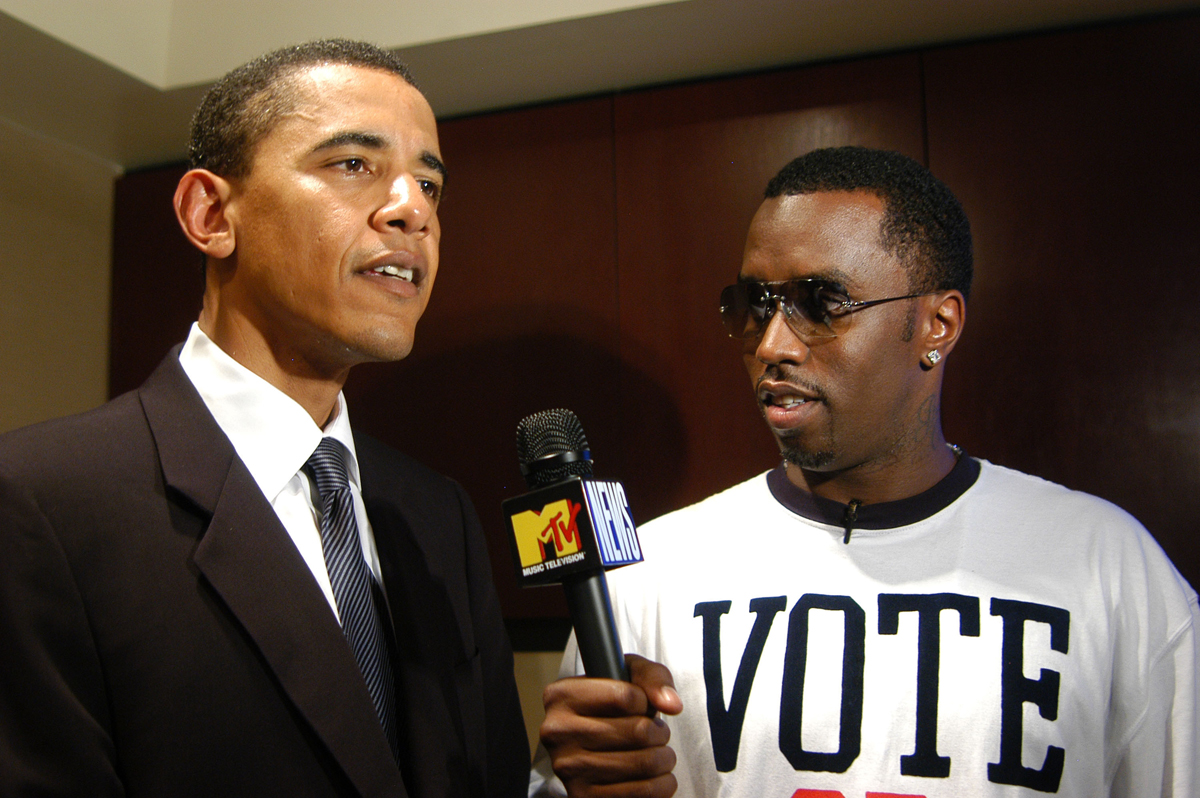
The public interactions between P Diddy and Hillary Clinton reflect a shared commitment to social justice and a belief in the potential for collaboration across different spheres. Their interactions, whether direct or through public statements, highlight the broader themes of social equality, political engagement, and the role of celebrity influence in shaping political discourse.
In 2000, Hillary Clinton made history by becoming the first First Lady to win a U.S. Senate seat, representing the state of New York. Her role as a senator was marked by active participation in legislative processes and advocacy for issues such as health care, women's rights, and national security. In 2009, she was appointed Secretary of State by President Barack Obama, further solidifying her legacy as a key figure in American politics.
In addition to her media appearances, Hillary Clinton has been the subject of numerous books, documentaries, and films that explore her life and career. These works have contributed to her cultural legacy, offering insights into her personal and professional journey and highlighting her impact on American society.

The impact of P Diddy on the music industry is multifaceted. He played a pivotal role in shaping the sound and culture of hip-hop, influencing subsequent generations of artists and producers. His innovative approach to branding and marketing set new standards for artist management and promotion. P Diddy's legacy in the music industry is not only about his personal achievements but also about his contributions to the broader cultural landscape.
Hillary Clinton, in turn, has acknowledged P Diddy's influence as a cultural icon and political activist. Her engagement with him and other cultural figures reflects her understanding of the power of celebrity influence to shape public opinion and mobilize support for social causes. Hillary Clinton's willingness to collaborate with cultural icons highlights her commitment to engaging with diverse audiences and building bridges between politics and culture.
Beyond his contributions to the music industry, P Diddy's entrepreneurial ventures have solidified his status as a savvy businessman with a diverse portfolio. His ventures span various industries, including fashion, spirits, and media, showcasing his versatility and ability to adapt to changing market trends.
In addition to fashion and spirits, P Diddy has made significant strides in the media industry. His television network, Revolt TV, launched in 2025, focuses on music and culture, providing a platform for emerging artists and diverse voices. Revolt TV reflects P Diddy's commitment to fostering creativity and innovation in media, offering content that resonates with a younger, culturally engaged audience.
Throughout her career, Hillary Clinton has been a vocal advocate for a range of political initiatives aimed at improving the lives of individuals and communities. Her work in areas such as healthcare, women's rights, and education reflects her commitment to social justice and her ability to effect positive change through policy.
The intersection of music and politics is a dynamic space where cultural expression and political activism converge. P Diddy and Hillary Clinton's relationship exemplifies this intersection, as their interactions reflect broader themes of social justice, equality, and the role of celebrity influence in political discourse.
A: P Diddy's entrepreneurial ventures include the launch of his clothing line Sean John, his partnership with Cîroc vodka, and his television network Revolt TV. These ventures reflect his ability to diversify his portfolio and leverage his celebrity status to drive brand success.
Hillary Clinton's engagement with cultural icons and celebrities has also contributed to her pop culture influence. Her relationships with figures in the entertainment industry, such as actress Meryl Streep and singer Lady Gaga, reflect her ability to build bridges between politics and culture. These connections have allowed her to reach new audiences and amplify her message on important social issues.
In the realm of women's rights, Hillary Clinton has been a steadfast advocate for gender equality and empowerment. Her famous speech at the 1995 United Nations Fourth World Conference on Women in Beijing, in which she declared that "human rights are women's rights and women's rights are human rights," remains a powerful statement of her commitment to advancing women's rights globally. Her work on issues such as pay equity, reproductive rights, and domestic violence has helped raise awareness and drive policy change.